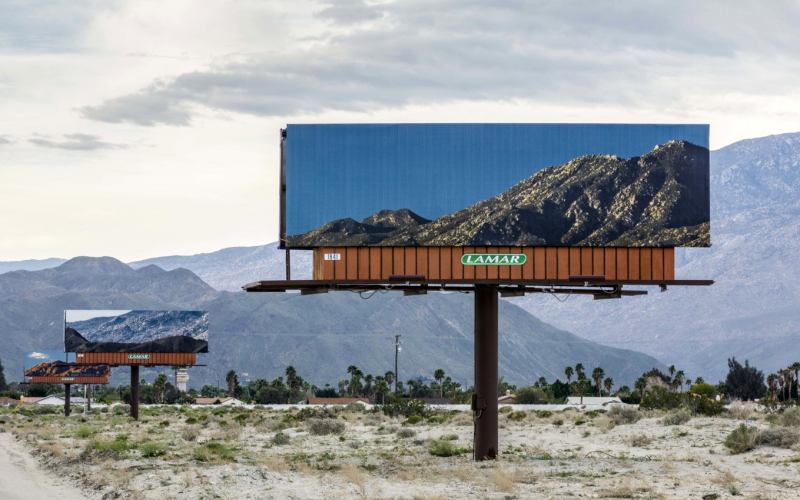
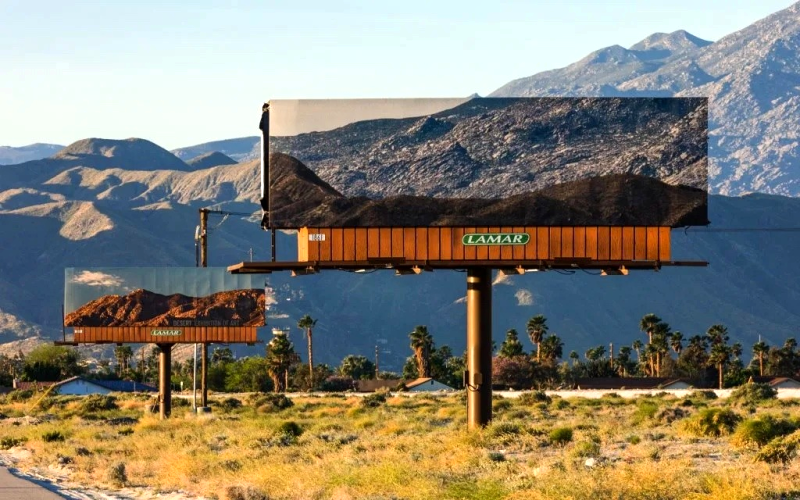
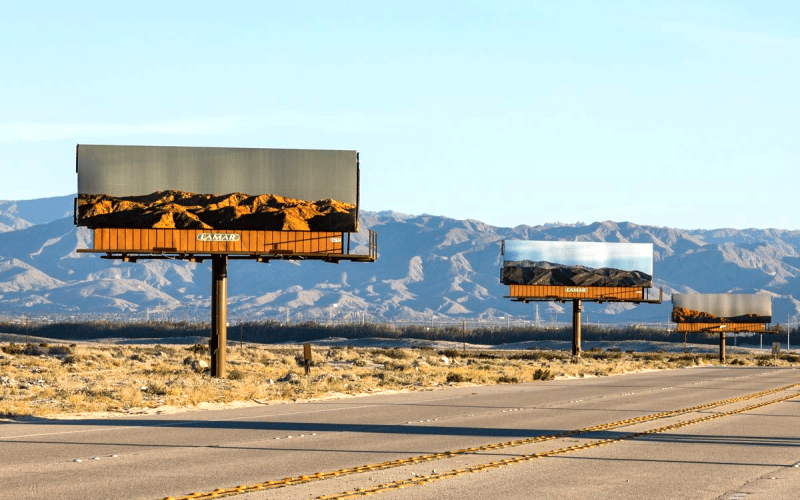
Artist Jennifer Bolande created Visible Distance / Second Sight for the 2017 Desert X biennial exhibition in the Coachella Valley:
“In a cinematic experience animated by driving along Gene Autry Trail, viewers will encounter a series of billboards featuring photographs of the very mountains towards which they are heading. Each photograph is unique to its position along this route and at a certain point as one approaches each billboard, perfect alignment with the horizon will occur thus reconnecting the space that the rectangle of the billboard has interrupted. In the language of billboard advertising this kind of reading is referred to as a Burma-Shave.“
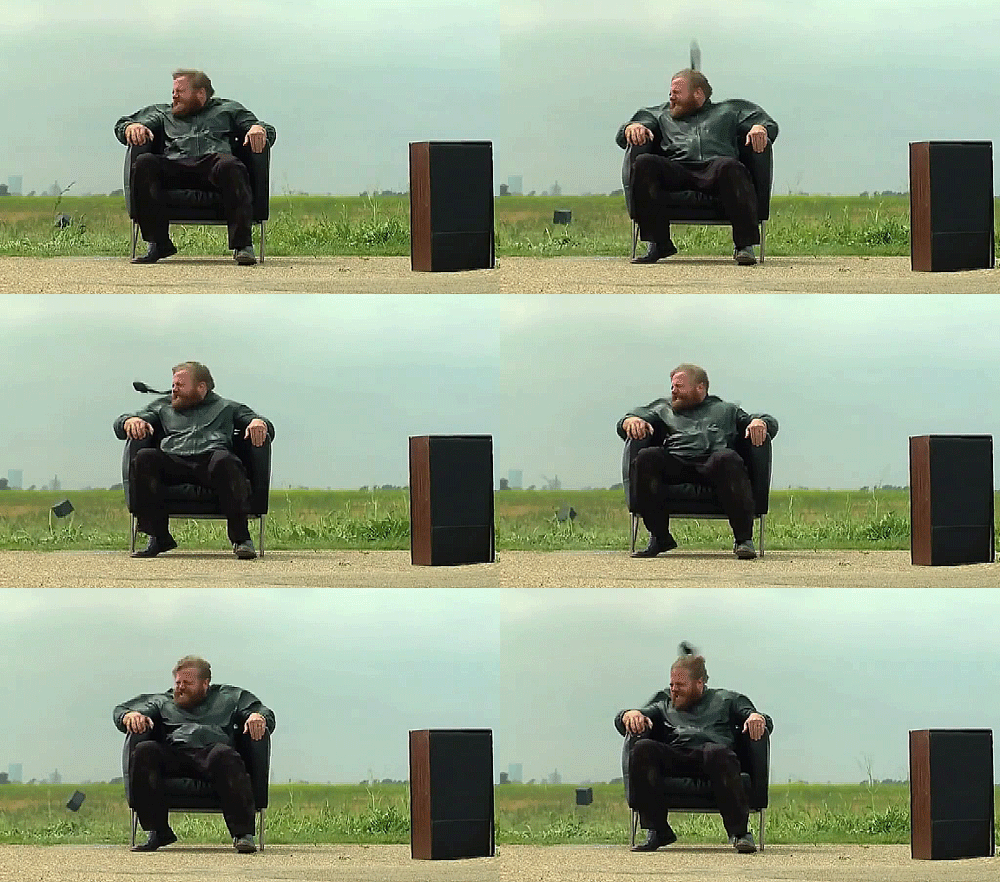
Zoot Suit, The High Numbers (1964)Zoot Suit was the first single by The Who, who recorded it under the name The High Numbers in an attempt to appeal to a mod audience. It was a ripoff of
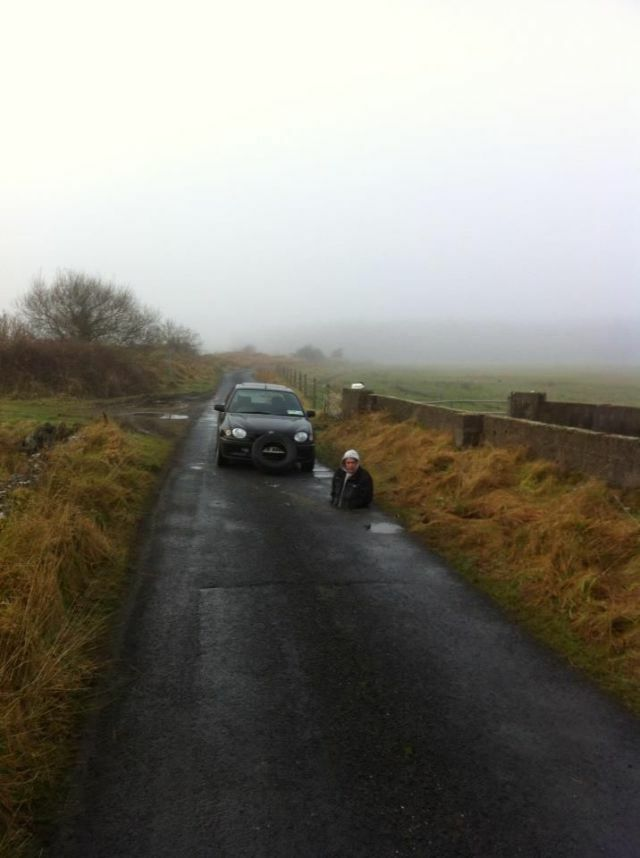
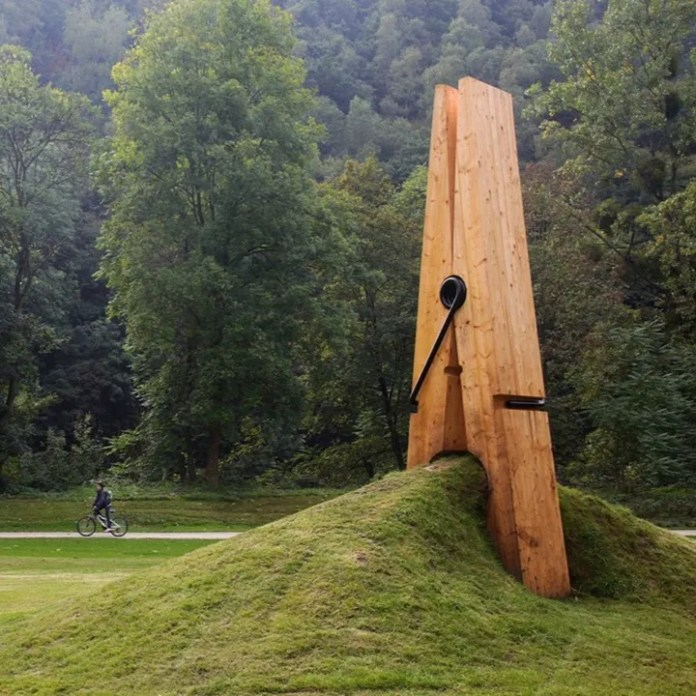
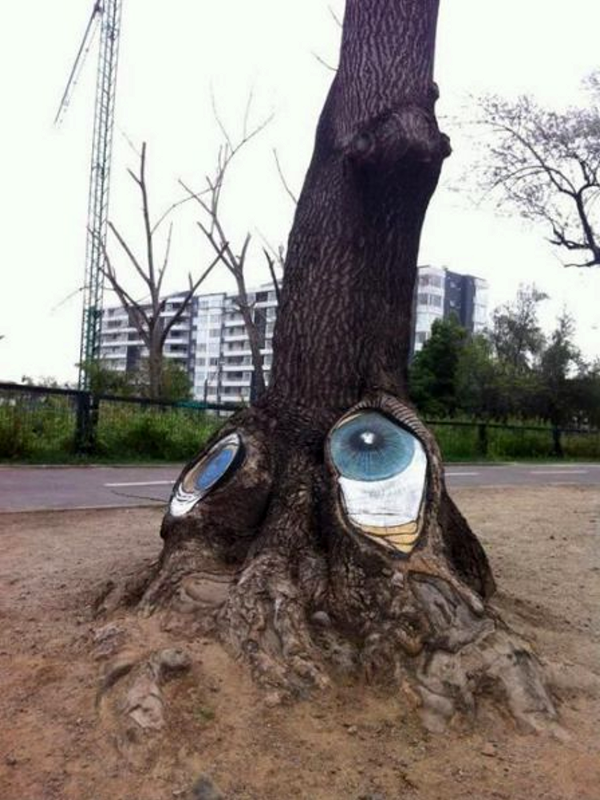
[Top image: Skin 2, a sculpture created in 2010 by Turkish artist Mehmet Ali Uysal, originally installed in Chaudfontaine Park, Liège, Belgium.
Found in here.]
“This is the sort of band that gets booked by unwary festival promoters as an early evening support only to discover they’ve stolen the show by 8 pm.”
Since their beginnings as a Copenhagen bar band, Thorbjørn Risager & The Black Tornado have been dubbed Denmark’s premier roots rockers. The septet has performed in Scandinavia, Europe, Canada, the US and Asia for the past twenty years.
Hard to find info on the Wisconsin band named American Standard, but it was a side project of The Chris Aaron Band, both fronted by Chris Aaron Shoemaker. Shoemaker passed away in 2014 due to a heart attack. He was 44. “Aaron was one of Wisconsin’s most prominent blues musicians, based for much of his career in the Fox Valley but playing regularly all over the state. He fronted a number of bands, from the Chris Aaron Band to American Standard to National Standard, and played often with other notable blues artists.”
(This video has an annoying smoke alarm beep at 2:15. Ignore it.)
Blues legend based in Austin, Texas, Guy Forsyth has a long resume of recording and performing around the world, with many awards to boot. He’s got a knack for storytelling also, as evidenced in his bio.
News of the Week: Iran’s IRGC is still dicking around, Volod Zelenskyy got bitchy during peace negotiations. An armed civilian took out a 16 year old school shooter in Oregon. The Russian plague is MIA, but there’s a brain fungus on the loose, and Elon launched a Tesla.
I may not have covered everything, but it’s hot, dry and windy here and I get easily distracted. Besides, there’s porch time to take care of whenever you get here. See you tomorrow.
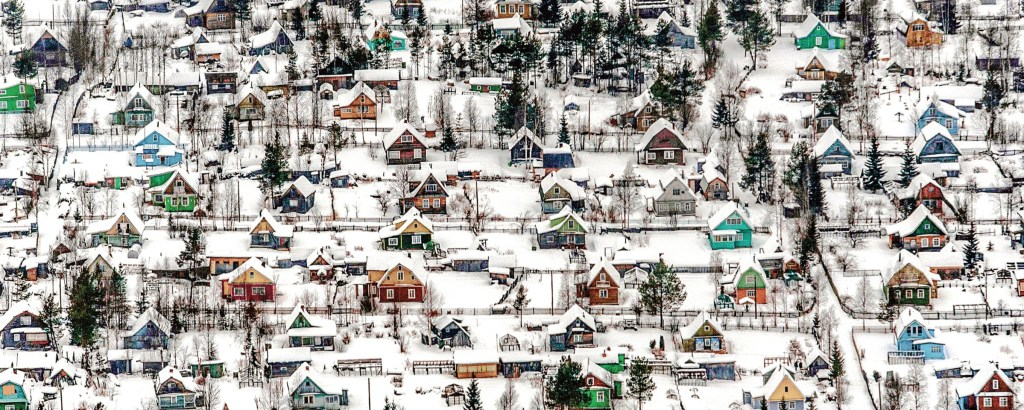
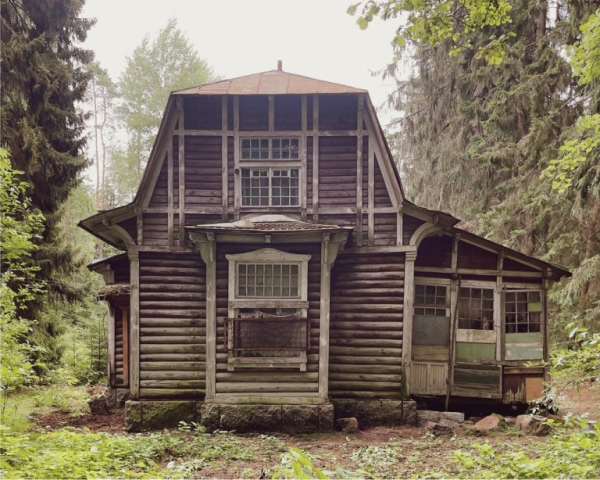
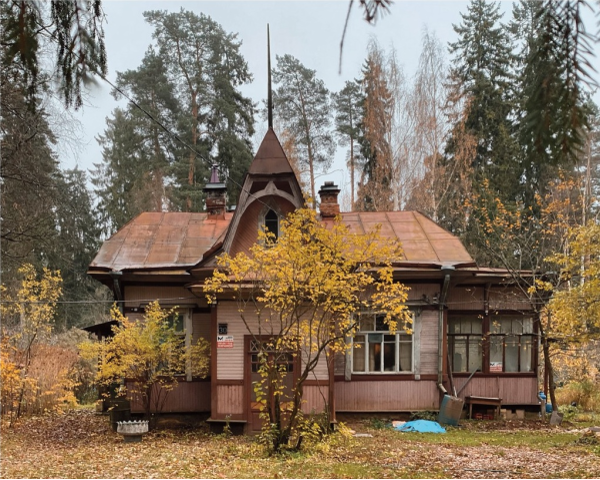
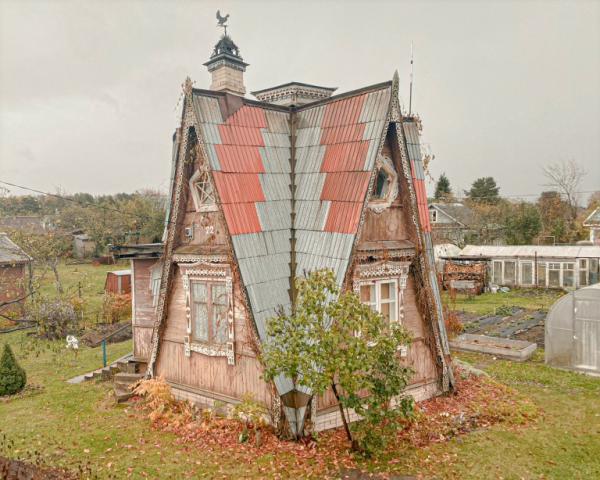
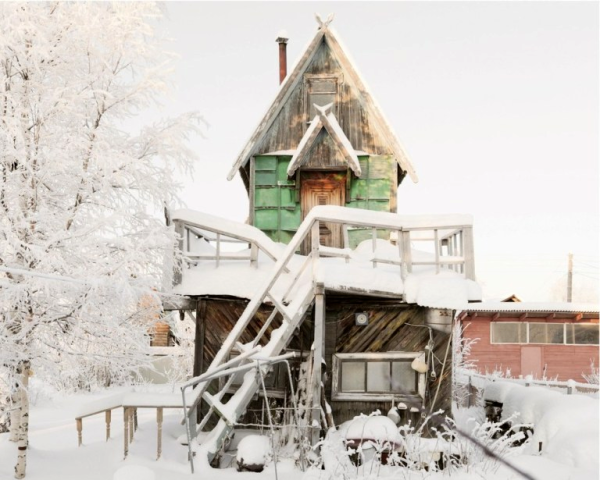
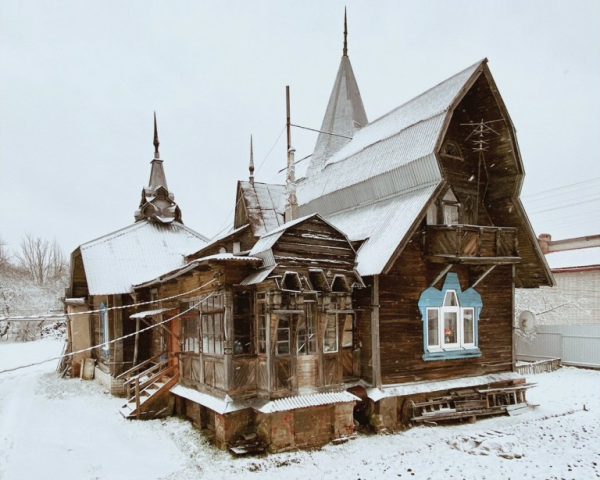
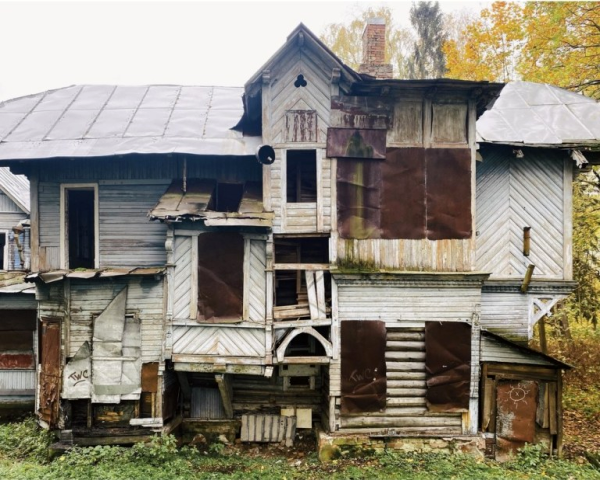
“A ‘dacha’ is a country cottage, made of wood, used by Soviet citizens to escape the rigors of the city for rural idyll. […]
“The word ‘dacha’ has been used to describe constructions ranging from grand imperial villas to small sheds. Originally bestowed by the Tsar to reward courtiers, this custom continued following the revolution, with Soviet cooperatives building dachas for their members. Supposedly for the benefit of labourers, in reality they were destined for those favoured by the State.”
Photos by Fyodor Savintsev from the book Dacha (2023).
[Images and caption found here, via Thompson, Blog.]